
Here’s an overview of the Best Laptop For that we’ll explore today:
The modern writing workflow often blends typing-intensive tasks with research, communication, and occasional media consumption. A laptop used by writers needs to balance responsive everyday performance, comfortable keyboard experience, reliable battery life, and a display that’s easy on the eyes for long sessions. In this comparison, we evaluate five Windows- or ChromeOS-based laptops that sit in a budget to mid-range price band, focusing on how each model handles word processing, research, note-taking, and long-form writing. Our methodology includes assessing core specs (CPU, RAM, storage, display quality), real-world performance (boot times, multitasking, app responsiveness), keyboard usability, display ergonomics, thermal behavior, battery endurance, and value for money. The lineup covers Acer, HP, and Lenovo to reflect common availability, feature sets, and software ecosystems that writers frequently encounter.
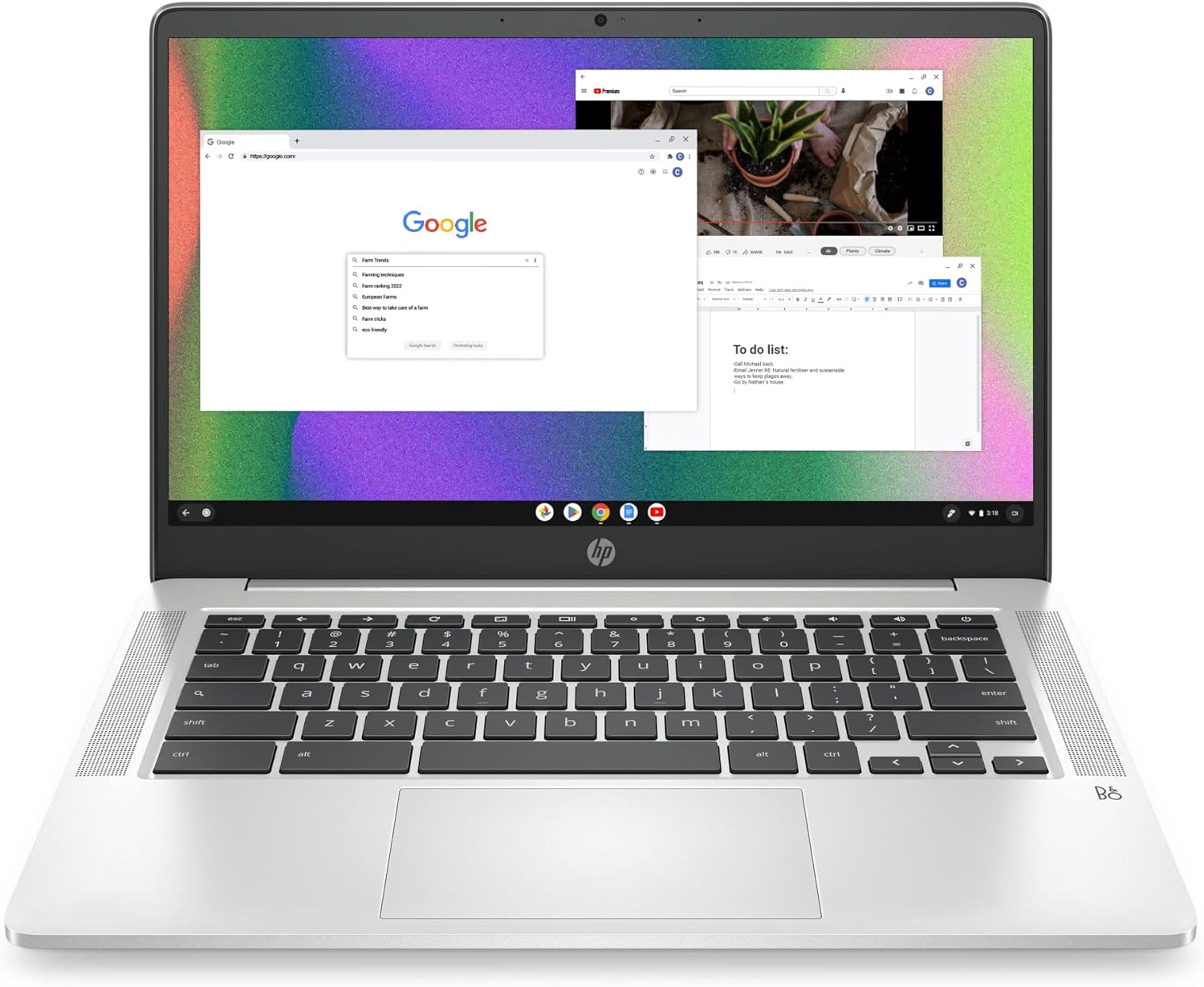
1. HP Chromebook 14 Laptop
- Brand: HP
- Manufacturer: HP
Overview: This budget Chrome OS notebook uses an Intel Celeron N4120 with 4 GB RAM and 64 GB eMMC. The 14-inch HD display and anti-glare coating make it a compact, highly portable option with up to 14 hours of claimed battery life and HP Fast Charge. It’s Chrome OS-first, emphasizing cloud-based workflows, Google apps, and quick start-up.
Performance-wise, the N4120 is modest for multitasking with multiple browser tabs, but for writers who rely on lightweight apps (Google Docs, Sheets, email, research tabs), it remains adequate. The Chromebook’s 4K graphics is more about capability for streaming than heavy rendering, and the 64 GB storage will require cloud or microSD management. The keyboard is serviceable for daily typing, and the long battery life plus rapid charging make it appealing for travel or campus use. Limitations include ram/storage constraints and the Chrome OS ecosystem’s dependence on internet connectivity for many tasks.
Pros
- Very low price point with solid daily writer tasks
- Excellent battery life up to ~14 hours
- Lightweight and portable with a compact 14″ form factor
- Chrome OS simplicity and fast boot, with Google ecosystem familiarity
- HP Fast Charge and ENERGY STAR / EPEAT Silver certified
Cons
- Only 4 GB RAM may bottleneck multitasking with many tabs
- Limited local storage (64 GB) and eMMC performance
- Chrome OS may be less familiar for users relying on Windows software
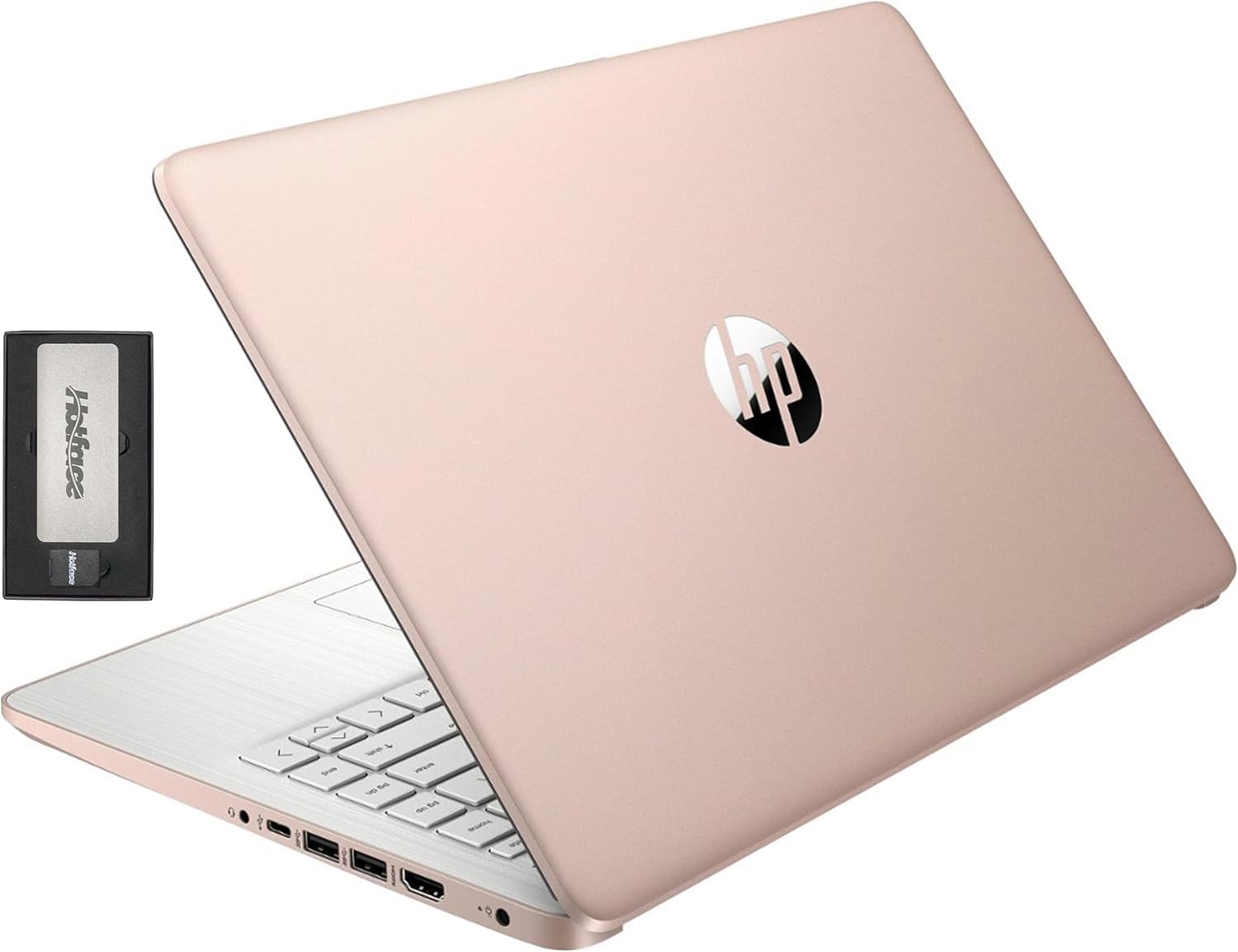
2. HP Stream 14″ HD BrightView Laptop
- Brand: HP
- Manufacturer: HP
Overview: The HP Stream 14 brings Windows 11 Home in S mode with a surprising 16 GB RAM and 128 GB storage, plus an additional 256 GB docking station set. It includes a 14″ HD BrightView display and a docking bundle intended to boost productivity with external peripherals. It’s positioned as a lightweight, all-in-one starter Windows device.
Performance-wise, the Stream’s 16 GB RAM and SSD-like storage deliver snappier multitasking and faster app launches compared with typical budget Chromebooks. The 128 GB eMMC plus docking station can help expand storage and external connectivity, but operating in S mode may limit software choices unless upgraded. The included Office 365 with a year-long subscription adds value for writers who rely on Word or other Office apps. Battery life is claimed around 10 hours, and there are multiple USB ports for accessories, but the overall system remains entry-level for heavier workloads or offline media editing.
Pros
- Windows 11 Home in S mode with upgrade options
- Generous 16 GB RAM improves multitasking
- Included 1-year Office 365 improves productivity value
- Docking station set expands ports and storage options
- 4200+ mAh style and BrightView display quality for day-to-day use
Cons
- S mode can constrain software installation without switching
- 128 GB + dock set still limits local storage for media-heavy tasks
- Overall performance may lag on very heavy workloads
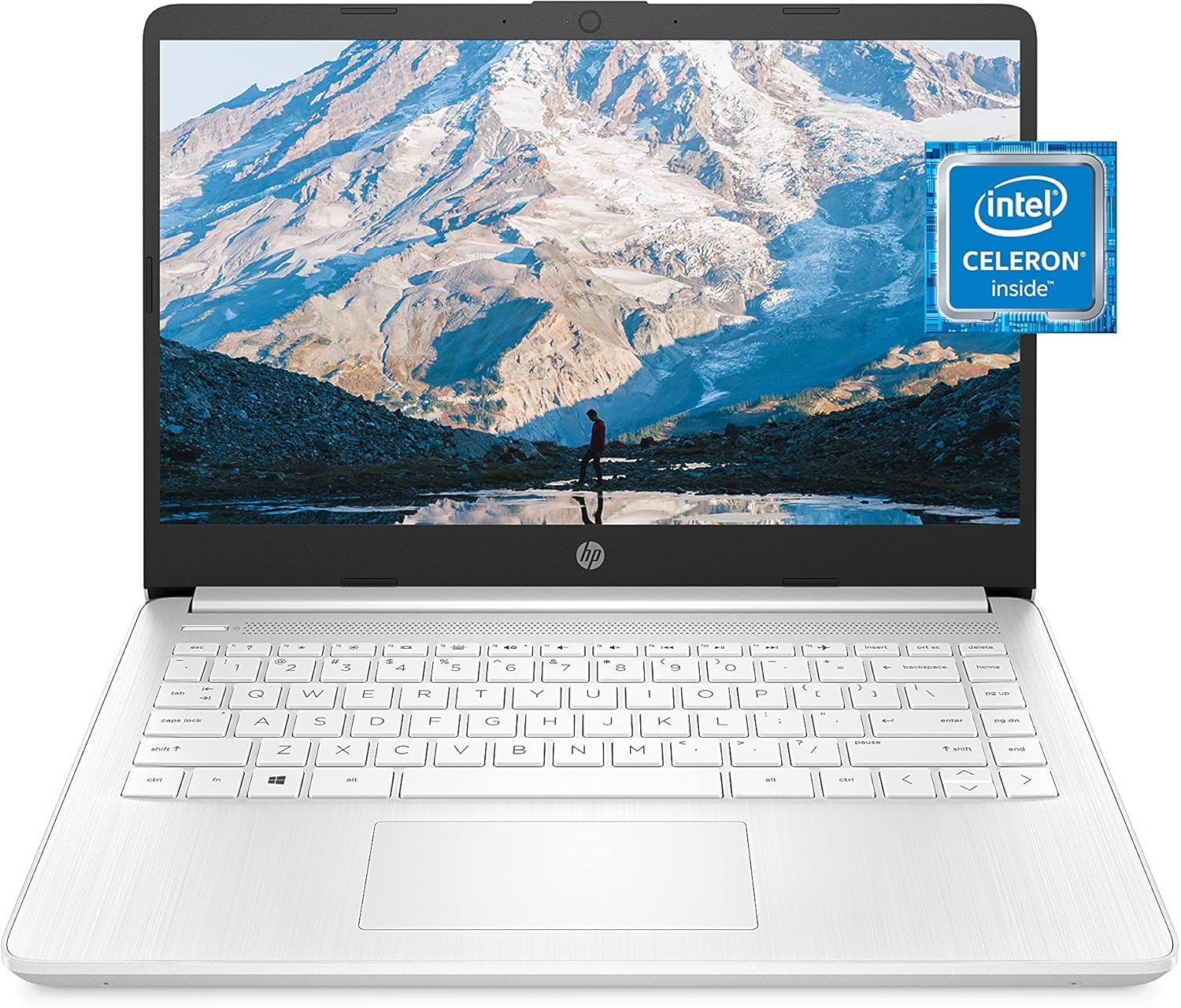
3. HP 14 Laptop
- Brand: HP
- Manufacturer: HP
Overview: This model uses an Intel Celeron N4020, 4 GB RAM, and 64 GB eMMC, with a 14-inch HD display and Windows 11 S. It emphasizes portability with a slim profile and a 10-hour battery life. The 4K graphics claim is mainly for media streaming. It’s a budget Windows option that leans into basic productivity tasks.
Performance-wise, the N4020 with 4 GB RAM is adequate for single-task writing apps and light browsing, but it will struggle with many tabs or heavier apps. The keyboard usability is acceptable for daily writing, though the smaller chassis can feel cramped for long-form typing. The device’s strengths lie in its low weight, all-day battery, and Windows familiarity; drawbacks include limited RAM/storage and potential throttling under multitasking. The 720p or higher display quality may be modest for prolonged screen time without an external monitor.
Pros
- Compact, portable 14″ form factor
- Decent battery life around 10 hours
- Windows 11 S keeps system lean and secure
- Celeron N4020 provides basic performance per watt balance
- Widely compatible with Windows software
Cons
- Only 4 GB RAM can bottleneck multitasking
- 64 GB storage may require frequent cloud use or external drive
- Entry-level display quality for long writing sessions
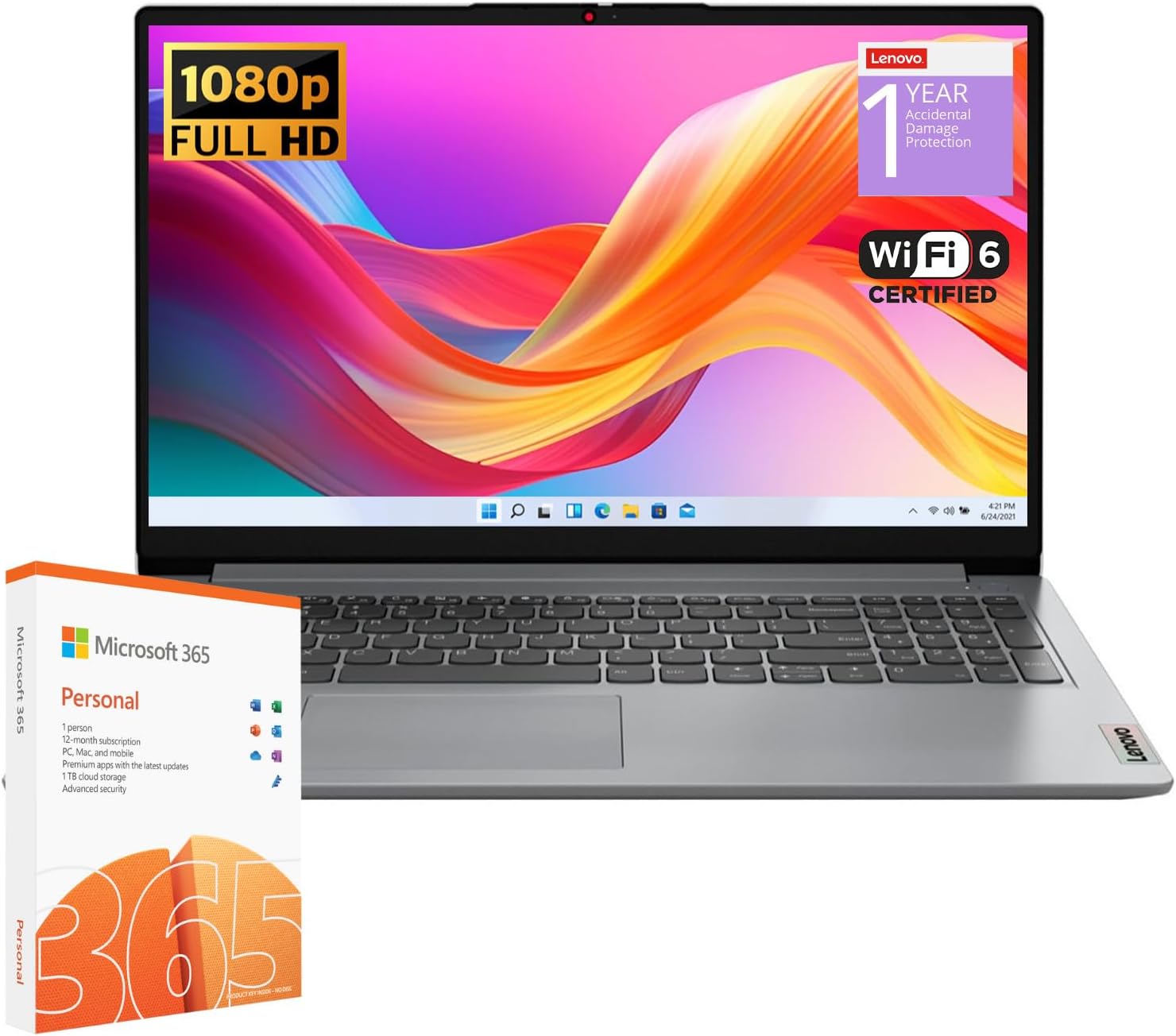
4. Lenovo IdeaPad 1 Student Laptop
- Brand: Lenovo
- Manufacturer: Lenovo
Overview: Lenovo’s IdeaPad 1 15IJL7 targets students and writers who want a Windows 11 Home machine with ample RAM and storage. It ships with 20 GB RAM and a very large 1 TB SSD plus 128 GB eMMC, on a 15.6″ FHD display. The inclusion of 1-year Office 365 and Wi-Fi 6 support makes it a strong productivity-focused option within the price tier.
Performance-wise, the 20 GB RAM is a standout for heavy multitasking, allowing many browser tabs, document editors, and research apps to run in parallel. The 1 TB NVMe SSD plus 128 GB eMMC offers substantial local storage and fast boot/transfer performance. The 15.6″ FHD display with IPS and anti-glare helps reduce eye strain during long writing sessions. The main caveat is the potential trade-off in chassis quality or thermals at this price, and while the CPU (Celeron N4500) is capable, it’s not a high-performance processor. For writers who benefit from a larger screen and robust multitasking, this is a compelling option.
Pros
- Very high RAM for the price (20 GB)
- Large 1 TB SSD + 128 GB eMMC storage
- 15.6″ FHD IPS anti-glare display improves readability
- Windows 11 Home with Wi-Fi 6 and built-in Office 365
- Includes multiple USB ports and SD card reader
Cons
- Celeron N4500 is modest in CPU performance
- Potentially bulkier chassis and heavier than compact models
- Battery life listed around 9 hours may be lower under heavy use
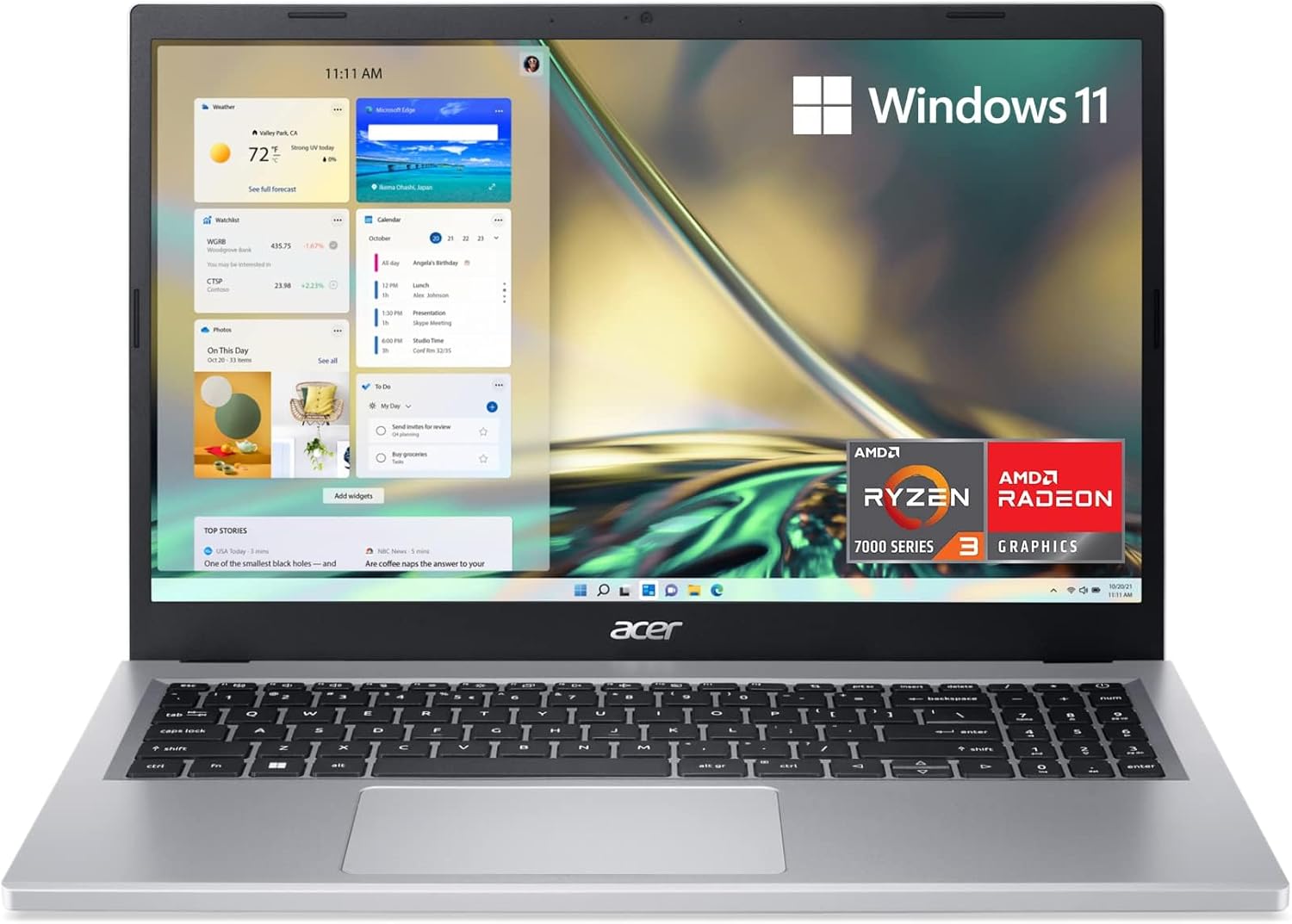
5. Acer Aspire 3 A315-24P-R7VH Slim Laptop | 15.6″ Full HD | AMD Ryzen 3 7320U Quad-Core | AMD Radeon Graphics | 8GB LPDDR5 | 128GB NVMe SSD | Wi-Fi 6 | Windows 11 Home
- Brand: acer
- Manufacturer: acer
Overview: The Acer Aspire 3 combines Ryzen 3 7320U with 8 GB RAM and 128 GB NVMe SSD on a 15.6″ Full HD display. It runs Windows 11 Home and includes a modern 8 GB RAM with a recommended balance between performance and power efficiency for general writing tasks, light research, and media consumption. The Ryzen 3 7320U offers improved multi-thread capabilities relative to entry-level Intel/Celeron options in this range.
Performance-wise, the Ryzen 3 7320U with 8 GB RAM handles multitasking: multiple documents, browser tabs, and lightweight apps without noticeable slowdowns. The 128 GB NVMe SSD delivers fast boot and app loading, and the 15.6″ Full HD IPS display provides comfortable viewing for long writing sessions. The inclusion of Wi-Fi 6 and a backlit keyboard improves usability in dim environments. A notable consideration is that 128 GB SSD may still be tight for media-heavy libraries, so cloud storage or external drives are worth planning for.
Pros
- Ryzen 3 7320U with strong efficiency and decent multicore performance
- 8 GB RAM is a solid baseline for writers who multitask
- 128 GB NVMe SSD offers fast storage and OS responsiveness
- 15.6″ Full HD IPS display with good viewing angles
- Backlit keyboard and Wi-Fi 6 improve usability
Cons
- Only 128 GB SSD local storage may be tight for media libraries
- Slightly heavier 3.92 pounds and larger footprint
- Windows 11 Home in S mode is not present; ensure full Windows version if needed
Frequently Asked Questions
We’ve compiled answers to the most common questions about laptop fors to help you make an informed decision.
Conclusion
Final thoughts: For writers who need portability and cloud-centric workflows, the HP Chromebook 14 offers best mobility and battery life at the lowest cost.
For multitasking and local storage-heavy needs, the Lenovo IdeaPad 1 stands out as the strongest overall value, with ample RAM and a large SSD.
If screen real estate and Windows-native productivity are priorities, the Acer Aspire 3 and HP Stream deliver compelling configurations, with the Lenovo option delivering the highest RAM capacity in this group. Choose based on whether you prefer Chrome OS simplicity or Windows versatility, and how much local storage you require for research libraries and documents..