
Here’s an overview of the Best Foods To that we’ll explore today:
Blood sugar management is a cornerstone of metabolic health, with evidence linking steady glucose control to reduced risk of type 2 diabetes progression, cardiovascular events, and weight management. This review examines five consumer-facing resources that present diet-based strategies, recipes, plans, and educational guidance aimed at lowering blood sugar. Our methodology combines structured feature analysis, stated goals (e.g., carb reduction, meal planning, or natural food-based approaches), price-to-value assessment, and practicality for real-world use. We considered factors such as clarity of guidance, evidence-backed claims, ease of integration into daily life, breadth of actionable steps, and potential for long-term adherence. The products range from concise, budget-friendly guides to more comprehensive volumes that pair diet with lifestyle routines.

1. 60 Ways to Lower Your Blood Sugar: Simple Steps to Reduce the Carbs
- Brand: by Dennis Pollock (Author), Paul Saneman (Foreword)
- Manufacturer: by Dennis Pollock (Author), Paul Saneman (Foreword)
Overview: This compact, author-led guide emphasizes straightforward carb-reduction strategies and weight management as practical levers to lower blood sugar. The book provides simple steps, a focus on reduced carbohydrate intake, and motivational framing designed for quick implementation. General assessment: At a budget price point, it prioritizes accessibility and actionability, making it a solid starter resource for readers seeking quick wins without requiring extensive background knowledge.
Performance, use cases, and user experience: The program design favors bite-sized steps that can be adopted without specialized equipment. Readers may appreciate the emphasis on achievable carb reductions and short-term improvements, though the lack of granular meal plans or scientific citations could limit long-term adherence for readers needing deeper nutritional guidance. The Foreword by Paul Saneman adds credibility, but the core content remains practical rather than deeply technical. For beginners and budget-conscious users, it serves as an entry portal to more rigorous dietary planning.
Pros
- Very affordable at $5.86
- Clear, simple steps suitable for beginners
- Concise and easy to reference
- Strong motivational framing to encourage adherence
- Foreword by notable contributor adds perceived credibility
Cons
- Limited scientific depth and evidence citations
- Few structured meal plans or recipes
- May require supplementation with more comprehensive nutrition guidance

2. How to Lower Blood Sugar Fast: Lower Your Blood Sugar Naturally in 19 Days
- Brand: by Larry Dennis Sr (Author)
- Manufacturer: by Larry Dennis Sr (Author)
Overview: A 19-day program framed around natural foods and a structured meal plan protocol aimed at reducing blood sugar without pharmacologic intervention. It emphasizes dietary timing, food choices with low glycemic impact, and a progressive plan to create measurable changes within roughly three weeks. General assessment: The title promises rapid results and a drug-free approach, which can be appealing to readers seeking an action-oriented plan. The focus on foods that lower blood sugar aligns with mainstream nutrition advice, making it accessible to a broad audience.
Performance, use cases, and user experience: The 19-day structure can provide a tangible milestone, supporting motivation through short-term feedback. However, the lack of detail about specific servings, portion sizes, and potential contraindications for certain health conditions may require readers to seek additional guidance from a clinician. The book appears to balance practicality with a degree of dietary rigor, making it suitable for individuals who want a clear, time-bound plan but may need supplementary resources for long-term maintenance.
Pros
- Time-bound 19-day plan offers clear milestones
- Focus on natural, diabetes-friendly foods
- Drives momentum without medication
- Structured meal plan guidance
- Accessible for readers new to dietary management
Cons
- Limited detail on portion sizes and caloric targets
- May not fit all dietary restrictions or cultural preferences
- Evidence specificity and references may be limited

3. NATURAL WAYS TO LOWER BLOOD SUGAR: Ways to lower blood sugar naturally with foods
- Brand: by OLGA A ANISCHENKO (Author)
- Manufacturer: by OLGA A ANISCHENKO (Author)
Overview: This volume aggregates natural strategies, emphasizing foods, beverages, and herbs purported to influence blood glucose. It positions itself as a broad natural-health guide, appealing to readers who prefer holistic approaches and non-pharmacologic methods. General assessment: The breadth of the topic is appealing, but the scope can risk dilution if it does not differentiate between evidence-backed ingredients and anecdotal claims. The author Olga A Anischeko brings a perspective rooted in natural wellness, which can resonate with readers seeking integrative approaches.
Performance, use cases, and user experience: The book can inspire readers to experiment with herbal and dietary components; however, the absence of rigorous clinical citations may reduce its reliability for readers with medically managed diabetes. It is likely to pair well with basic dietary changes and as a supplementary resource for those exploring complementary approaches alongside clinician guidance.
Pros
- Broad coverage of foods, drinks, and herbs
- Appeals to natural-wellness enthusiasts
- Potential for easy incorporation into daily routines
- Accessible price point at $16.99
- Useful as a supplementary resource for lifestyle changes
Cons
- Limited clinical evidence cited
- Variability in product quality and herb sourcing not addressed
- Not a standalone medical-grade guide

4. Eat To Lower Blood Pressure: Whole Foods
- Brand: by Nicoline Ambe (Author)
- Manufacturer: by Nicoline Ambe (Author)
Overview: Although framed around blood pressure, this title emphasizes whole-food strategies with potential cross-benefits for glycemic control, given the metabolic links between hypertension and insulin resistance. The author Nicoline Ambe discusses routines and dietary choices that reduced reliance on medications. General assessment: Readers interested in a holistic, lifestyle-based approach that targets cardiovascular risk factors may find transferable insights, including emphasis on whole foods and consistent routines.
Performance, use cases, and user experience: The focus on lifestyle change, routine establishment, and real-world success stories may enhance motivation and adherence. However, the primary emphasis is hypertension management, not a diabetes-only protocol, so readers should assess overlap with their blood glucose goals. The price at $29.00 positions it as a premium, potentially justifiable for readers seeking integrated cardiovascular health guidance.
Pros
- Holistic lifestyle approach with real-world success
- Emphasis on whole foods and routines
- Potential cross-benefits for blood sugar and blood pressure
- Credibility from foreword and author experience
- Useful for readers seeking long-term lifestyle change
Cons
- Not specifically diabetes-focused
- Higher price point may deter some buyers
- Limited direct glycemic-specific protocols
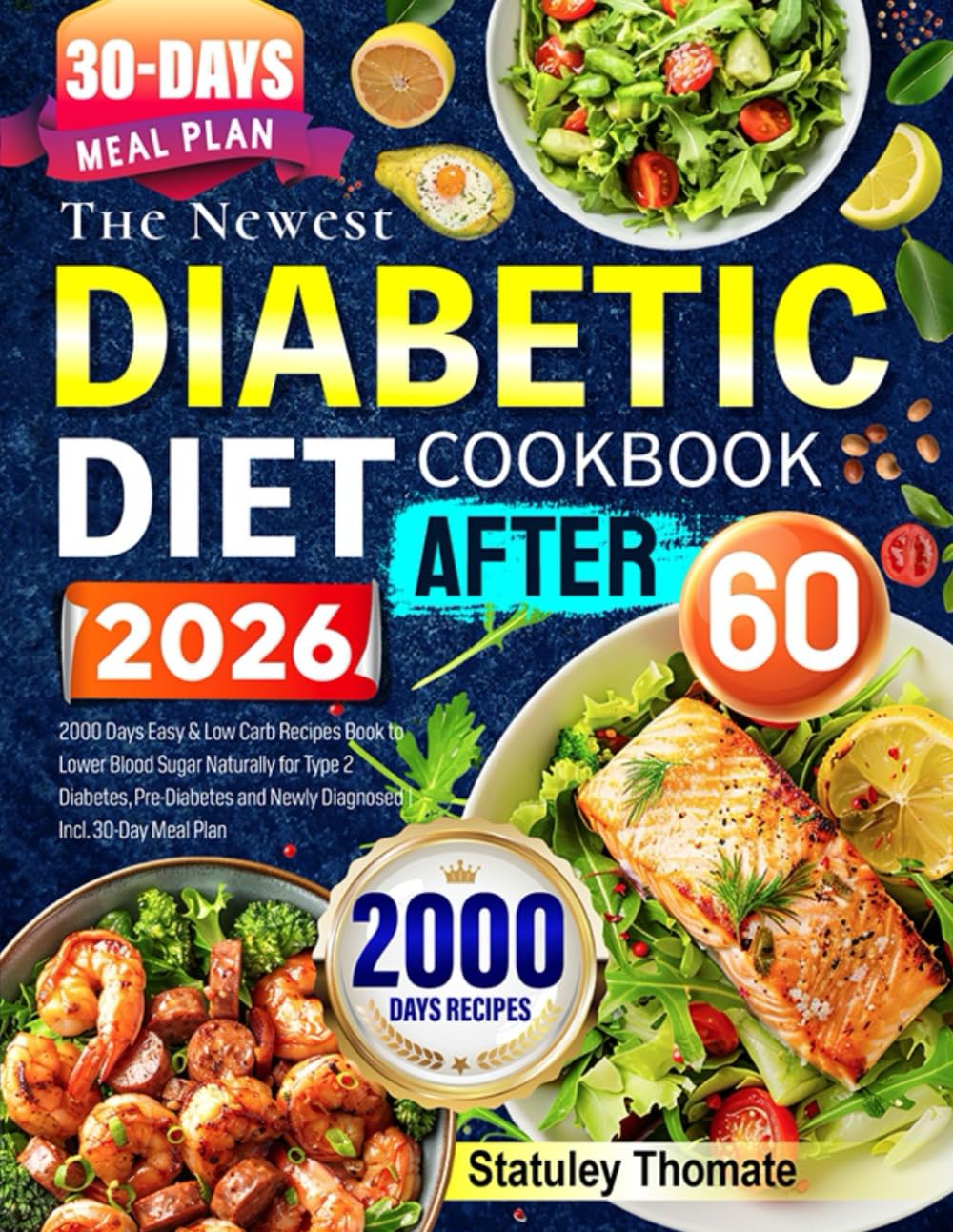
5. The Newest Diabetic Diet Cookbook After 60: 2000 Days Easy
- Brand: by Statuley Thomate (Author)
- Manufacturer: by Statuley Thomate (Author)
Overview: This cookbook targets older adults and those newly diagnosed, offering a large catalog of low-carb recipes and a 30-day meal plan. It combines recipe variety with practical meal pacing intended to sustain blood sugar management and weight goals. General assessment: The book’s strength lies in its extensive recipe library and structured meal planning, which can be highly valuable for daily cooking and adherence. The long-term recipe inventory supports ongoing dietary changes beyond a short-term intervention.
Performance, use cases, and user experience: For readers who cook at home and prefer predictable meal options, the cookbook offers actionable inspiration and a consistent framework. However, the success of the plan depends on accurate portion control, compatibility with individual medical conditions, and the availability of ingredients. The 2000-day claim implies a broad repertoire, but readers should verify nutritional specifics and ensure alignment with their physician’s guidance.
Pros
- Extensive low-carb recipe library
- Includes a structured 30-day meal plan
- Age-targeted content for older adults
- Practical for home cooks with varied schedules
- Good long-term variety to prevent dietary fatigue
Cons
- Calorie and portion details may vary by recipe
- Not every recipe will suit all cultural preferences
- Some claims may require verification against medical guidance
Frequently Asked Questions
We’ve compiled answers to the most common questions about foods tos to help you make an informed decision.
Conclusion
Final thoughts: If you want the most cost-efficient starter with a quick impact, Product 0 is hard to beat.
For long-term adherence and a robust recipe library, Product 5 stands out as the strongest value proposition for people with type 2 diabetes or prediabetes who cook at home. If you seek a balanced, holistic lifestyle guide that pairs dietary shifts with routine changes, Product 4 offers practical cardiovascular health insights that may indirectly benefit glycemic control.
Product 3 provides a natural-ingredient orientation that can complement conventional care, while Product 2 offers a concise, time-bound plan for those who prefer a structured, short-term push. Your ideal choice depends on your readiness to commit to a meal plan, your cooking habits, and whether you prioritize blood sugar-specific guidance or broader metabolic health strategies..