
Here’s an overview of the Best Bike Computer that we’ll explore today:
Bike computers have evolved from simple speed and distance trackers to sophisticated navigation, training analytics, and ecosystem-enabled devices. For riders, the right computer can improve navigation confidence, training outcomes, and ride experience, while the wrong one can add cost and complexity without meaningful benefits. This comparison gathers five widely available models across a price spectrum from budget to premium to illustrate how feature sets, mapping capabilities, data depth, and sensor support translate into real-world value.
Methodology: I evaluated each device on core axes that matter to riders today—navigation reliability and route handling, data breadth (speed, cadence, power compatibility, calories, etc.), display readability, battery life, sensor and connectivity support (ANT+, Bluetooth, Wi‑Fi), ease of setup and everyday usability, and overall ecosystem integration (app, cloud storage, and data export). Where applicable, I tested offline mapping, real-time navigation prompts, and route re-routing behavior. I also considered durability, mount design, and maintenance expectations. The products covered here are representative of consumer choices in the $34.95 to $249.99 range and include CAT EYE, Garmin, iGPSPORT, and GEOID models.
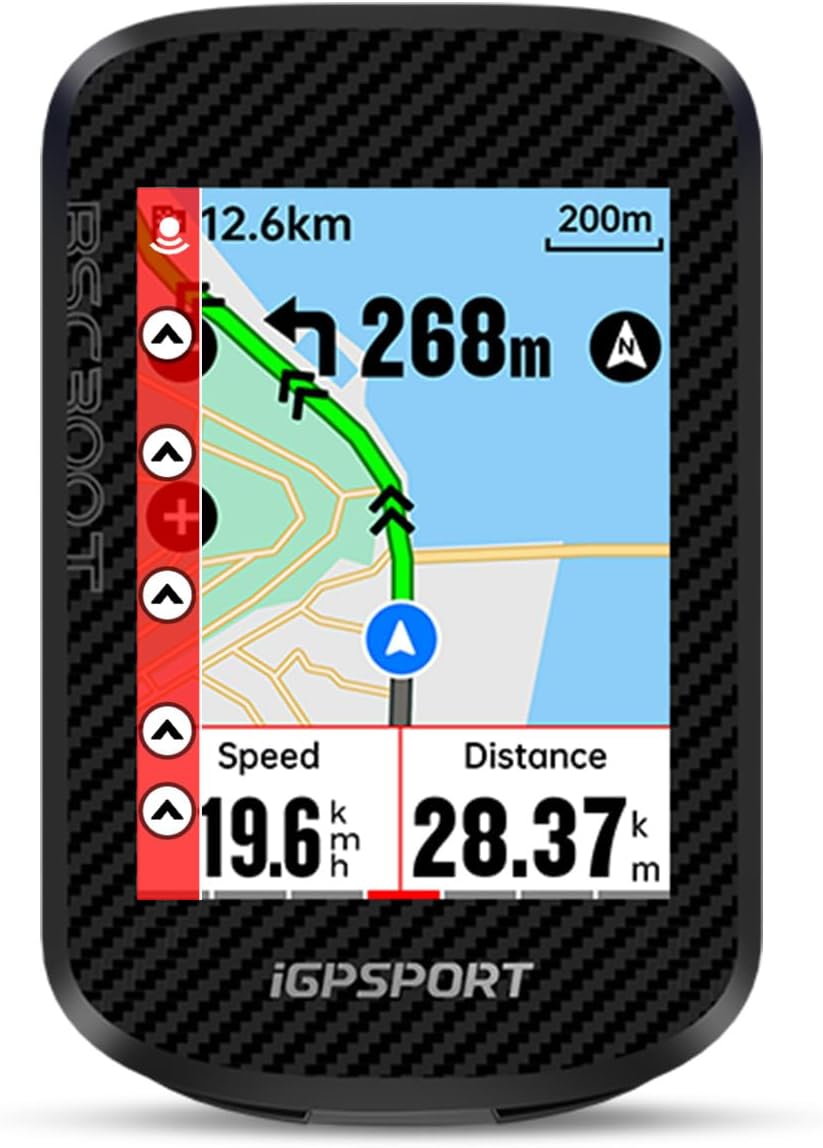
1. iGPSPORT BSC300T Wireless Bike Computer GPS
- Brand: iGPSPORT
- Manufacturer: iGPSPORT
Overview: The BSC300T is a feature-rich, large-screen GPS bike computer that emphasizes offline map navigation, multi-satellite positioning, and broad compatibility with third-party platforms. It offers a 2.4″ touch screen with 6 physical buttons, dual ANT+/Bluetooth 5.0 connectivity, and offline map download capabilities, making it a strong option for riders who value navigation independence and data depth (130+ metrics). It supports Ebike mode and displays power level, which is useful for riders who want to monitor assist levels alongside standard ride metrics. Price sits in the mid-tier range at $104.49, which positions it as a strong value for navigation-first users.
In practice, the BSC300T delivers reliable GPS positioning via multiple GNSS systems (GPS, Beidou, GLONASS, GALILEO, QZSS) and maintains real-time route prompts with off-course warnings. The offline map capability reduces reliance on cellular connectivity, and the ability to export data to Strava or Komoot via the iGPSPORT app enhances the post-ride analysis workflow. The data presentation is flexible, and the 20-hour battery life is adequate for day-long rides. However, the interface can feel busy due to the 130+ data fields, so new users may need to invest time configuring pages to suit their most-used metrics.
Pros
- Large 2.4″ touchscreen with physical buttons for flexible control
- Offline map downloads with turn-by-turn prompts
- Multi-GNSS support for fast, reliable positioning
- Compatibility with Strava/Komoot for data sharing
- Ebike power level display and broad sensor ecosystem support
Cons
- Touchscreen usability can be challenging in wet or muddy conditions
- Setup complexity due to 130+ data fields can overwhelm new users
- Form factor is relatively large for compact handlebars
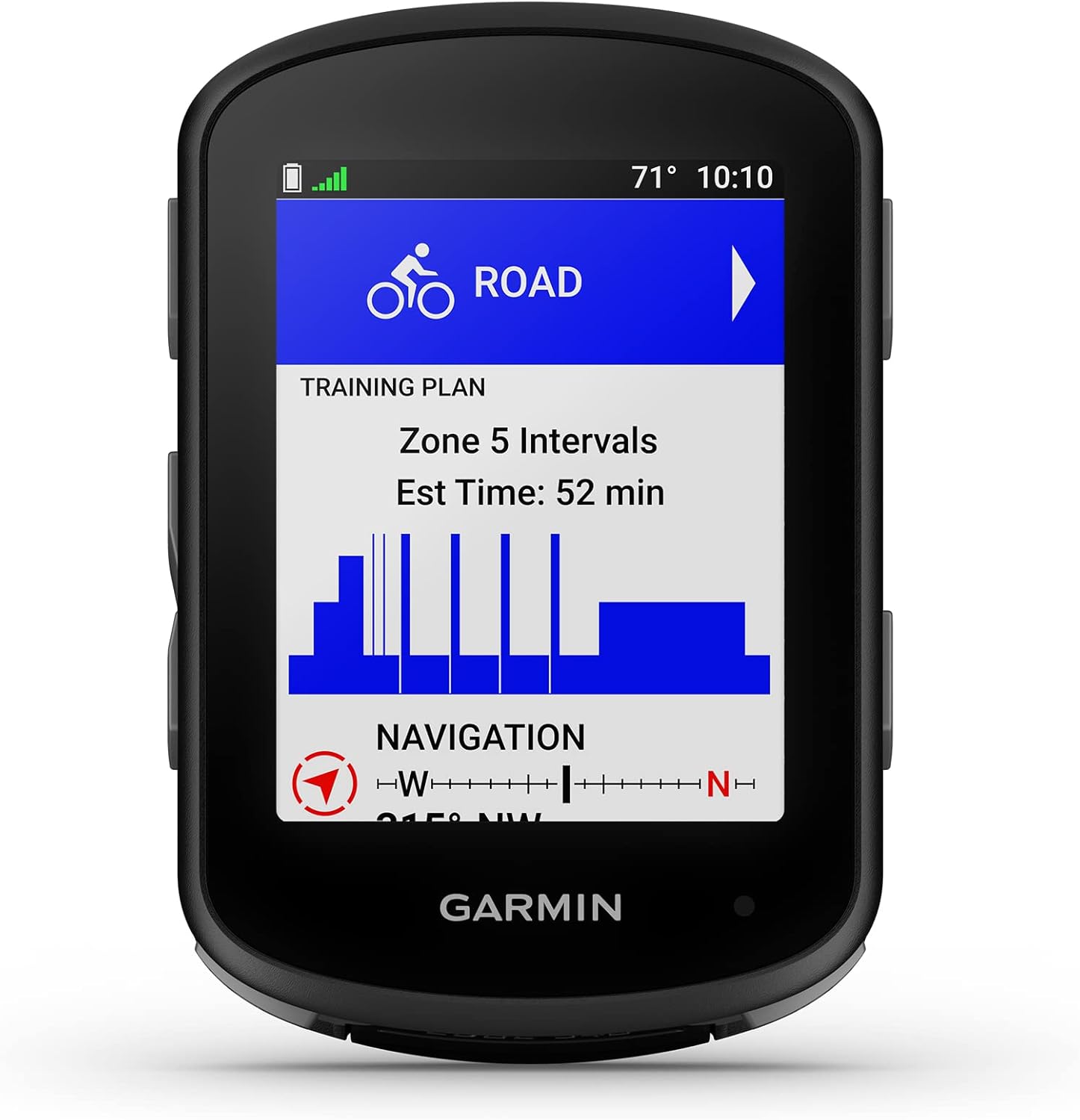
2. Garmin Edge 540
- Brand: Garmin
- Manufacturer: Garmin
Overview: The Edge 540 is Garmin’s compact, feature-dense GPS bike computer designed for serious training and navigation. It blends robust navigation with adaptive coaching, stamina metrics, climb planning, and compatibility with a wide sensor ecosystem (power meters, HR, cadence). At $249.99, it sits at the premium end of the range, delivering long battery life (26 hours; 42 in battery saver) and multi-band GNSS for improved positioning in challenging environments. The device emphasizes performance analytics, structured training prompts, and ride-type specific maps to help athletes train more effectively.
Performance-wise, the Edge 540 excels in training-centric features: ClimbPro ascent planner, stamina insights, power targets via the power guide, and personalized coaching when paired with compatible meters. Its multi-band GNSS improves accuracy in tree-covered canyons or urban canyons, reducing drift on demanding routes. The interface relies on button controls for reliability in adverse conditions, and Garmin Connect provides a seamless cloud and data-interpretation experience. The trade-offs include a smaller 2.6″ display that can feel cramped when viewing complex maps, and higher price relative to mid-range competitors. For cyclists seeking targeted training guidance and advanced navigation without sacrificing map quality, the Edge 540 is a top-tier option.
Pros
- Advanced training features with adaptive coaching and stamina insights
- Multi-band GNSS for accurate positioning in tough environments
- Power guide and climb planning integrated with compatible sensors
- Strong ecosystem: Garmin Connect data export and analysis
- Reliable button-based controls for wet or messy conditions
Cons
- Premium price point; may be overkill for casual riders
- Compact display can limit map readability on the go
- Reliance on compatible sensors for full training analytics
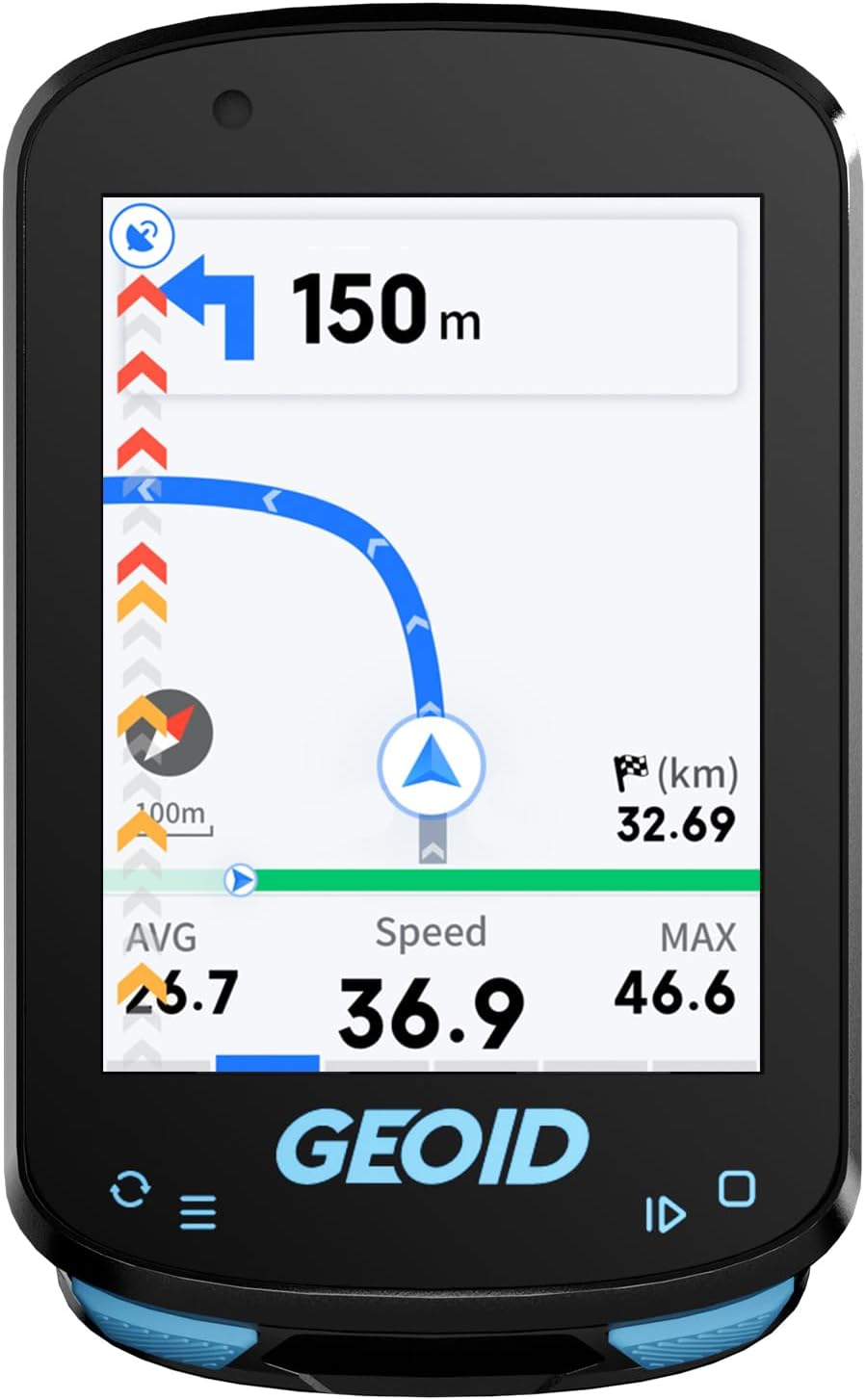
3. GEOID CC600 Color Screen Bike/Cycling Computer Wireless – Route Navigation with Re-Route Planing
- Brand: GEOID
- Manufacturer: GEOID
Overview: The GEOID CC600 targets value-oriented buyers who want a capable color-display navigation-capable unit with WiFi/Bluetooth, offline GPX handling, and indoor training support. Priced at $49.99, it presents a compelling package for riders who want color-rich data presentation, fast GPS positioning, and broad language support, including 11 languages. The device emphasizes route navigation with automatic re-routing, rich data customization, and indoor training integration, making it versatile for commuting and mixed-riding lifestyles.
In use, the CC600 offers 5-second positioning thanks to AGNSS data and supports a wide sensor and data-option set via ANT+/Bluetooth. The WiFi sync enables faster firmware updates and data export to STRAVA/Training Peaks, enhancing the post-ride workflow. The interface supports up to 10 pages and 108 data items, giving riders a high degree of customization for on-device displays. Limitations include a smaller support ecosystem compared to Garmin or iGPSPORT flagship models and potential variability in third-party map quality, but its value proposition is strong for budget-conscious riders who still want navigation and indoor training features.
Pros
- Color 2.4″ display with intuitive navigation prompts
- Fast 5-second GPS positioning with AGNSS
- WiFi firmware updates and data export integration
- Indoor training support and extensive data customization
- Broad language support and affordable price
Cons
- Smaller ecosystem and community support relative to Garmin/iGPSPORT
- GPS map data quality may vary by region
- Slightly larger data page configuration required to optimize experience
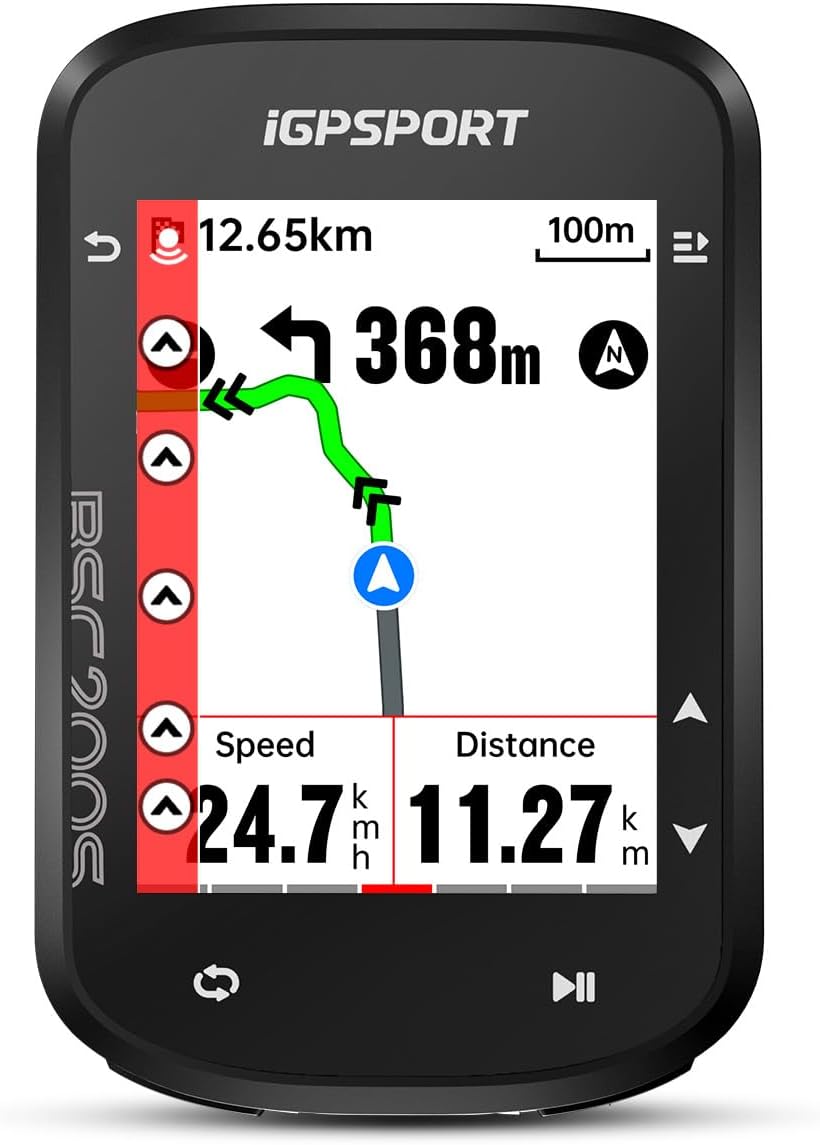
4. iGPSPORT BSC200S GPS Bike Computer
- Brand: iGPSPORT
- Manufacturer: iGPSPORT
Overview: The BSC200S is a more disposable, value-oriented GPS computer from iGPSPORT, emphasizing route navigation, Bluetooth and ANT+ compatibility, and IPX7 waterproofing. At $66.49, it targets riders who want reliable navigation and sensor compatibility without the premium analytics; it also supports route import from popular platforms and extended data storage. The 2.4″ color display makes data viewing accessible in bright sun and varied conditions.
Performance-wise, the BSC200S delivers practical navigation with one-touch route transfer from the app, back-to-start navigation, and ride history continuity. Its 25-hour battery life aligns with typical weekend rides, and the ability to store up to 400 hours of riding data offers enough archival space for most casual or enthusiast riders. The downside is a less expansive data suite compared to higher-end models, and while it supports many data fields, the depth of analytics is comparatively shallow. For budget-conscious riders who value navigation and broad device compatibility, this unit delivers solid value.
Pros
- Solid navigation with offline/online route options
- Strong IPX7 waterproofing and rugged build
- Long battery life and ample data storage
- Wide sensor compatibility (ANT+/Bluetooth)
- Affordable price with color display
Cons
- Less advanced training analytics than Garmin Edge 540
- Data customization options are more limited
- User interface can feel dated compared with premium models
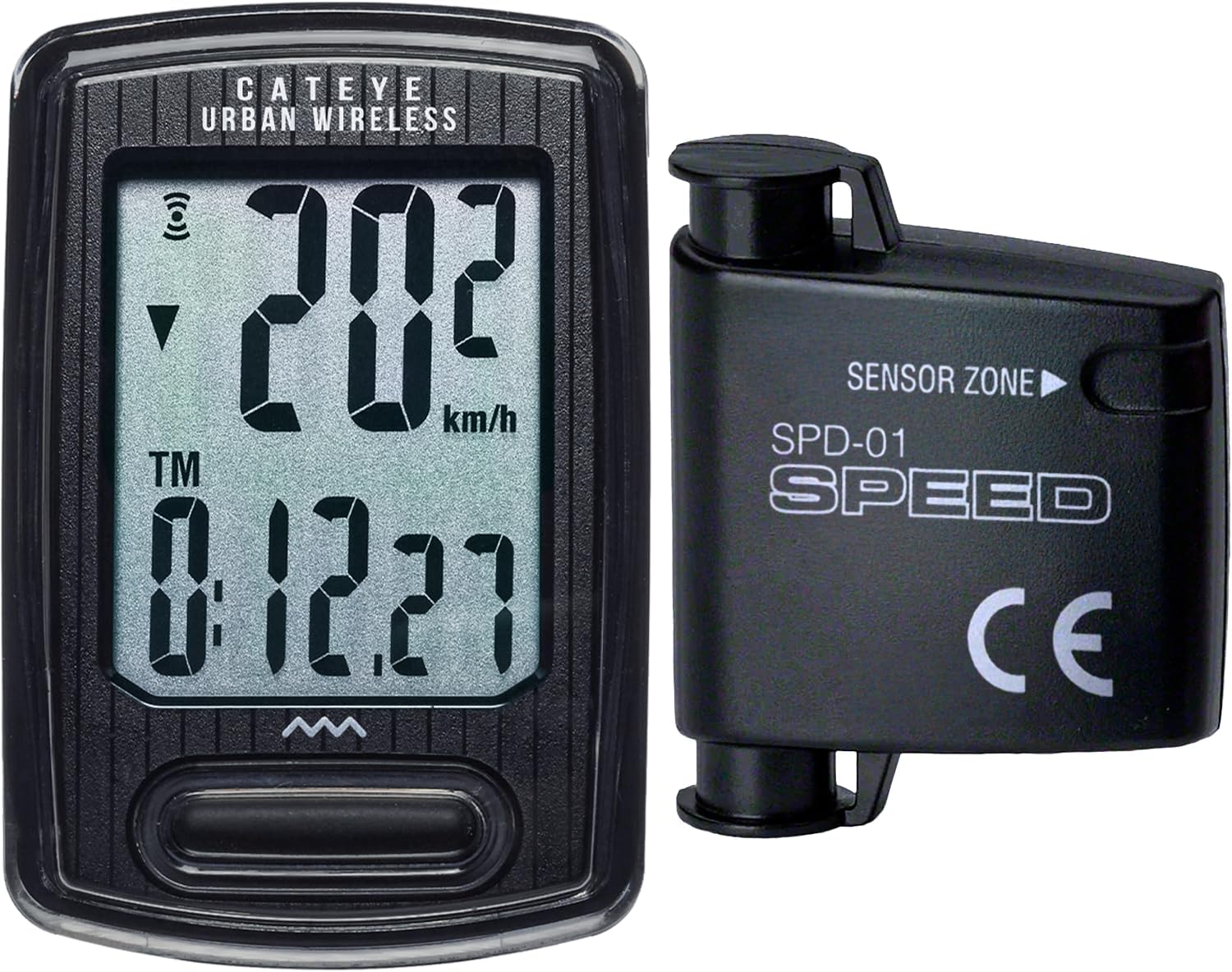
5. CATEYE Urban Wireless Bike Computer – Analog Speedometer
- Brand: CAT EYE
- Manufacturer: CAT EYE
Overview: The CatEye Urban Wireless represents the budget benchmark, focusing on essential cyclometer features: current/max/average speed, distance, elapsed time, calories, and a programmable odometer. Priced at $34.95, it emphasizes simplicity, reliability, and ease of setup with a flexible mount system. Its analog wireless speed sensor and decoupled odometer provide a straightforward cycling experience without the complexity of GPS-based navigation.
In daily use, the Urban Wireless excels at being a no-frills, durable device with long battery life (fielded as one-year battery life in specs) and 2-year manufacturer warranty. It automatically stops counting while you’re stopped, which makes average speed calculations more realistic for casual riders. The primary trade-off is the lack of color display, offline maps, GPS, or extensive data metrics, which means it’s best for riders who want a reliable speed/distance tool and calorie tracking without navigation or training analytics.
Pros
- Extremely affordable price point
- Reliable basic metrics (speed, distance, time, calories)
- Auto Start/Stop and programmable odometer
- FlexTight mount for quick, adjustable installation
- Long battery life and IPX8 waterproofing
Cons
- No GPS, navigation, or advanced analytics
- Analog wireless only; limited sensor ecosystem
- Small feature set for riders seeking training data
Frequently Asked Questions
We’ve compiled answers to the most common questions about bike computers to help you make an informed decision.
Conclusion
This lineup demonstrates that you can tailor a bike computer to fit your riding style and budget without sacrificing core capabilities.
If you prioritize navigation and offline mapping, GEOID CC600 and iGPSPORT BSC300T are standout values.
For athletes chasing training optimization and ecosystem depth, Garmin Edge 540 is the clear premium pick. Casual riders who want reliability with minimal setup can opt for CAT EYE Urban Wireless, while those seeking a balanced feature set at a modest price may find the iGPSPORT BSC200S to be an excellent middle-ground choice..